
AUGMENTED REALITY OR VIRTUAL REALITY: The future of immersive experiences.
The new environments or virtual worlds are trending and more companies are beginning to venture into the development of their own immersive experiences based on augmented reality or virtual reality.
Being very similar concepts, they are often easily confused. And to understand the difference, the first thing we must take into account is that the essence of virtual reality is to create digital worlds from a computer, while augmented reality uses some components of our world and complements them with computerized graphic elements that are They are superimposed on the screen.
It is worth mentioning that there is a third concept that groups characteristics of the previous two and is mixed reality. In this post we will talk about how to differentiate them and you will learn more about these 3 technological advances.
VIRTUAL REALITY (VR).
Virtual Reality differs from the others for being the one that offers the most immersive experiences. This technology is based on the design of a completely new virtual world in which the user enters, through the use of VR glasses and headphones, among other components that seek to provide a more sensory experience.
As we mentioned in a previous article, there are different types of VR glasses on the market that allow the user to immerse himself in this virtual world. However, it is important to consider some aspects to choose the option that best suits our budget and needs.
VR glasses cover the entire field of vision so you can only see what is on the screen. Additionally, they have several sensors that are responsible for recognizing the movement of the head, so that when turning in any direction you can observe the rest of the projection.
We can find several examples of applied virtual reality. One of them is the video game DOOM. A Play Station bet with which it seeks to improve the experience of its gamers.
We can also mention the launch of new flight simulators, in this case the VRM Switzerland R22 Virtual Reality Simulator. The first helicopter simulator in VR whose use will be admitted as real flight hours.
AUGMENTED REALITY (AR).
Augmented Reality, for its part, uses the real environment and complements it, adding digital objects. In other words, you can walk around with your mobile and observe different contents that are being digitally added to your screen.
Our world is part of the experience and we can even interact with it. This technology does not require the use of any device that completely isolates the user from the real environment, a cell phone is enough to view the different graphic elements in real time.
However, there are accessories that provide a more realistic experience, such as Google Glass, which has a glass that will add digital components that you will see around you, superimposing information on any object.
The use of headphones in this technology is not so important, since you will be interacting with different components of the real world. The same happens with other components such as knobs or controls.
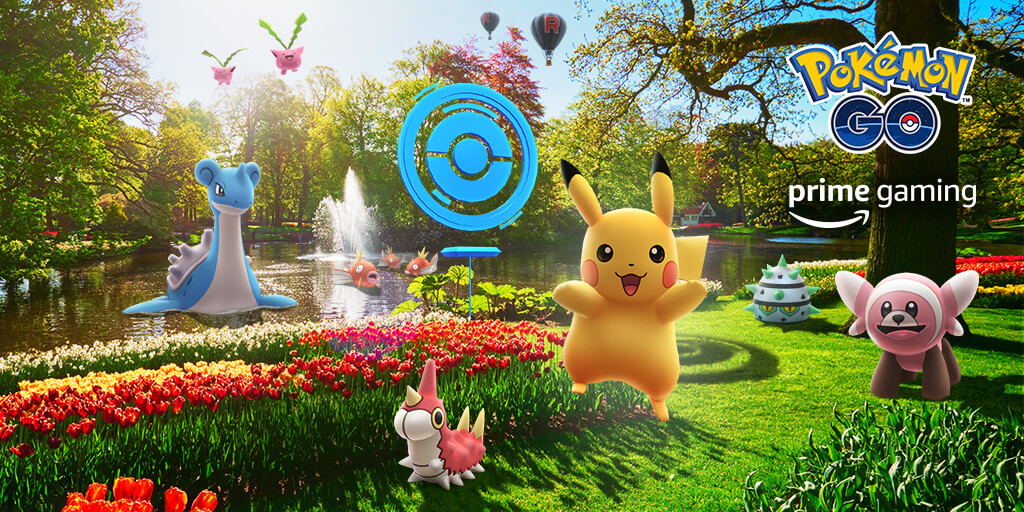
Without a doubt, the best example of this is the mobile game Pokemon Go. An application in which you go through the streets of your city while capturing Pokemon that suddenly appear on the screen of your cell phone.
It is also widely used during live sports broadcasts to introduce formations and other relevant aspects of the game.
MIXED REALITY (MR).
Mixed reality is a mixture of both concepts – augmented reality and virtual reality. In short, it is a combination of physical and digital universes, which allow natural and intuitive interactions between the user, equipment and the environment.
What mixed reality does is allow user interaction with real objects within the virtual world. In other words, many elements that the user visualizes as a digital component are really being projected onto a real object, which makes the experience more realistic and sensory.
Although it was almost the last to arrive, mixed reality has received a boost from large companies such as Microsoft, which is investing heavily to include it in its Windows 10 operating system.
THE FUTURE OF AUGMENTED REALITY AND VIRTUAL REALITY.
As you have seen, the field of application of these technologies is really wide and we can find them in many sectors such as industry, marketing, tourism, education, entertainment and health.
This is because there are more similarities that unite these 3 technologies that share a common goal, to provide increasingly realistic immersive experiences to their users. For this reason, on many occasions they are often combined to generate a unique experience.
According to a report by the International Data Corporation, it is estimated that by 2021, investment in Augmented Reality (AR) and Virtual Reality (VR) products and services will exceed $215 billion, which represents a rate of annual growth of more than 113%.
This momentum has been generated mainly by the consumer branch, which has benefited from increased access to mobile devices as a means of experiencing Virtual Reality and Augmented Reality. However, industries such as retail, education and manufacturing have also been important pillars in this growth.
Either way, augmented reality, virtual reality, and mixed reality are great examples of experiences driven by the desire to immerse ourselves in new virtual worlds where boundaries don’t exist, creating new dimensions of interaction between our digital devices and the real world.
0 Comments